Mommy s First Mother s Day T Shirt: A Designer's Review
As someone who has spent years navigating the intersection of digital graphics and physical stitching, I approach every new embroidery design with a mix of excitement and skepticism. There is nothing quite like the feeling of pulling a finished piece from the hoop, but there is also the sting of a design that looked perfect on screen but fell apart under the needle. Today, I am evaluating Mommy s First Mother s Day T Shirt, a vintage-style typography file that promises to be a staple for the upcoming holiday season. My goal here is not just to describe what it looks like, but to dissect how it performs in the real world of custom apparel, boutique branding, and handmade gifts.
The First Impression: Mood and Visual Personality
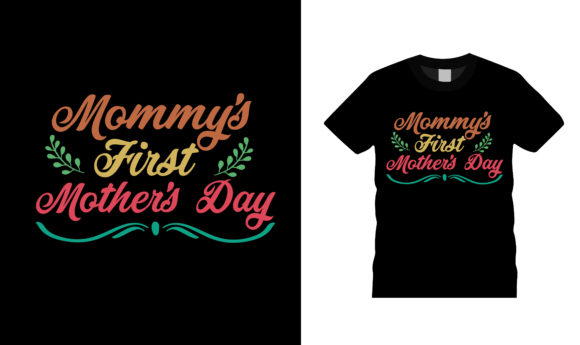
When you first open the file, the immediate takeaway from Mommy s First Mother s Day T Shirt is its nostalgic charm. The vintage typography sets a tone that feels warm, personal, and slightly retro, which is exactly what resonates with modern buyers looking for something unique rather than mass-produced. Unlike many generic designs that rely heavily on complex imagery, this piece leans into clean lines and lettering. This is a crucial distinction because typography requires precision; if the kerning or spacing is off, the entire piece can look amateurish. In this case, the layout strikes a balance between readability and artistic flair, making it versatile enough for various applications.
The visual personality suggests a design meant for celebration. It screams "personalized gift" before you even stitch a single thread. For an Etsy seller or a crafter preparing for a craft fair, this mood is gold. It fits naturally into the narrative of a small business owner creating meaningful items for clients. Whether it ends up on a sweatshirt, a tote bag, or a baby onesie, the design carries an emotional weight that elevates the perceived value of the finished product.
Real-World Application: From Screen to Stitch
I recently tested this design for a specific scenario: creating a line of limited-edition motherhood gifts for a local boutique. The plan was to use Mommy s First Mother s Day T Shirt on high-quality cotton tees and sturdy canvas tote bags. Here is how it held up during the actual embroidery process.
On standard 100% cotton t-shirts, the design performed admirably. The vintage style allowed for a slightly softer aesthetic, which pairs well with the texture of jersey knit fabrics. However, when I moved to a heavy-duty canvas tote bag, the density of the fill stitches became more apparent. The design requires a solid foundation, so using the right stabilizer was non-negotiable. Without a cut-away stabilizer underneath, the fabric would have puckered, ruining the crispness of the letters. Once stabilized correctly, the satin stitch edges remained sharp, and the fill areas were dense enough to cover the fabric completely without showing the weave beneath.
This versatility is key for small shop products. A designer doesn't want to buy ten different files for one holiday season. If Mommy s First Mother s Day T Shirt can transition seamlessly from a delicate baby item to a rugged apron, it saves time and inventory costs. I also considered using it on embroidered patches. The clean typography works exceptionally well as a borderless patch, allowing the shape of the patch itself to define the edge, which adds a professional touch to workwear or denim jackets.
Where Caution is Required
While the design is robust, no single file is a magic bullet for every situation. As an experienced reviewer, I must point out where Mommy s First Mother s Day T Shirt might struggle. One of the primary challenges with typography-heavy designs is the hoop size. If you attempt to scale this down too much for a tiny hat brim or a small child's bib, the fine details of the vintage font may become indistinguishable. The threads will crowd each other, leading to a muddy appearance where individual letters lose their identity.
Fabric texture is another critical factor. While it works beautifully on smooth knits, textured fabrics like bouclé or thick fleece can obscure the definition of the lettering. On stretchy fabrics, unless you are using a specialized stabilizer system, the tension of the embroidery machine might distort the garment, causing the text to warp. Similarly, on dark fabrics, the contrast of the thread colors becomes vital. If the original file does not include a light-colored background or if the thread choice is too similar to the shirt color, the design will disappear. Always test your thread colors against the final fabric before committing to a bulk run.
Furthermore, consider the durability aspect. For products that require frequent washing, such as kitchen towels or baby clothes, the stitch density needs to be sufficient to prevent fraying over time. If the design relies on long, loose running stitches, it might not hold up to the rigors of a dishwasher or a washing machine. Always inspect the stitch density in your digitizing software to ensure the design is built for longevity.
Impact on Brand and Customer Trust
In the world of Etsy sellers and creative entrepreneurs, presentation is everything. A poorly executed embroidery job can signal low quality, regardless of the price point. Conversely, a well-executed Mommy s First Mother s Day T Shirt design signals professionalism. When a customer receives a personalized gift where the lettering is perfectly aligned and the colors pop, they are more likely to leave a five-star review and recommend your shop to others.
The design also enhances brand consistency. By using a cohesive style across your product line—whether it is matching tote bag designs with sweatshirt embroidery or coordinating with holiday-themed items—you create a recognizable aesthetic. This consistency builds trust. Customers know what to expect from your handmade products, and that reliability is the backbone of a successful craft business.
Practical Notes for the Embroidery Designer
Before you hit the start button on your machine, there are several technical steps you should take to ensure success. First, always test the design on scrap fabric that matches the weight and stretch of your final project. This simple step can save you hours of rework. Second, check the thread color contrast by viewing the design in black and white mockups. Sometimes colors that look good side-by-side can blend together when stitched, losing the intended depth.
Review the stabilizer requirements carefully. For this type of typography, a tear-away or cut-away stabilizer is often necessary depending on the fabric. Do not skip this step. Additionally, confirm the licensing terms if you intend to sell finished items. Some digital embroidery files allow commercial use, while others restrict you to personal projects. Verify these details in the product description to avoid legal issues later.
Finally, inspect the small details. Zoom in on the corners of the letters and any decorative accents. Are there any stray stitches or loose paths? If the file is provided in a format like EPS 10, remember that you may need to convert it to a machine-readable format (like PES or DST) before stitching. Ensure your conversion process maintains the integrity of the original design.
Ultimately, Mommy s First Mother s Day T Shirt is a strong candidate for anyone looking to add a touch of vintage charm to their collection. It balances aesthetic appeal with practical usability, provided you respect the limitations of the medium. With careful planning and attention to detail, this design can help you create memorable, high-quality items that customers will cherish.