Wine T Shirt Design: A Designer's Real-World Embroidery Review
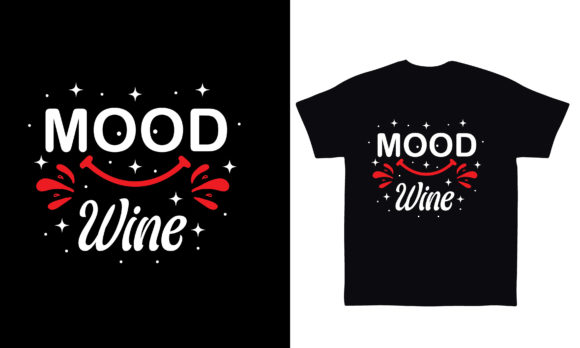
When I first opened the files for Wine T Shirt Design, my initial reaction wasn't about the pixel-perfect resolution or the vector clarity, though those are undeniably important. Instead, I was struck by the mood it evokes. There is a specific energy to wine-themed graphics that can easily tip from "sophisticated boutique" to "cluttered novelty" depending on execution. This design lands firmly in the former category, offering a visual personality that feels relaxed yet intentional. It suggests a night of conversation, a cozy evening at home, or a fun gathering with friends. For an embroidery designer looking to create products that feel authentic rather than mass-produced, this kind of atmospheric quality is exactly what we need.
As someone who has spent years turning digital assets into tactile finished products, I approach every new file with a critical eye. The promise of 300 DPI Resolution and CMYK color mode in the product description is a strong start, but the real test happens when the needle hits the fabric. This review breaks down how Wine T Shirt Design performs in actual embroidery scenarios, from custom apparel to personalized gifts, based on practical experience with similar projects.
First Impressions and Visual Personality
The layout of Wine T Shirt Design strikes a balance between detail and readability. In the world of machine embroidery, where space is often limited by hoop size, a design that feels too dense can result in puckering or lost details. This graphic appears to have enough breathing room to allow the stitches to settle naturally without overwhelming the garment. The theme is versatile; it doesn't scream for attention but rather invites the viewer to lean in. This subtlety is crucial for handmade products that aim for a high-end feel.
For craft business owners and Etsy sellers, the ability to modify colors is a game-changer. Since you receive the AI and EPS File formats, you aren't stuck with a single color palette. You can adapt the thread colors to match seasonal trends, such as deep burgundies for autumn or crisp whites for summer events. This flexibility allows you to create cohesive collections where the same design works across different product lines, ensuring brand consistency for your small shop.
Real-Life Application: From Digital File to Finished Product
To truly understand the potential of Wine T Shirt Design, let's imagine a real project scenario. Picture a boutique owner preparing for the holiday season. They want to create a line of custom embroidered aprons and kitchen towels featuring a playful yet elegant wine motif. Using the vector capabilities of this design, they decide to stitch it onto heavy-duty canvas aprons using a rich red thread for the main elements and gold for accents.
The transition from screen to fabric requires careful planning. When stitching this design onto a sweatshirt or a tote bag, the fill stitch areas must be robust enough to cover the fabric texture completely. If the design includes lettering, the running stitch segments need to be tight enough to prevent gaps but loose enough to maintain the drape of the material. I have found that designs with this level of detail work exceptionally well on structured items like caps and patches, where the fabric provides a stable base for the embroidery. However, on stretchy fabrics like standard t-shirts, the stabilizer choice becomes paramount to prevent distortion.
Another excellent use case is baby embroidery. Parents love personalized gifts, and a subtle wine-themed design (perhaps adapted to be more whimsical) could work beautifully on a onesie or a nursery pillow cover. The key here is scale. While the design is high quality, applying it to a tiny item requires scaling it down carefully. The Easy to modify and change color feature mentioned in the specs is vital here, allowing you to simplify the design if necessary to fit smaller dimensions without losing its character.
Where Caution Is Required
Even the best embroidery file has limitations. Wine T Shirt Design should be used with caution on very small hoop sizes. If you attempt to stitch intricate details on a 4x4 inch area, some of the finer points might get lost in the stitching process. Similarly, textured fabrics like boucle or heavily woven linens can obscure the definition of the design. On these materials, the contrast between the thread and the fabric background is everything.
Dark fabrics present another challenge. While the design is provided in CMYK, which helps with previewing, the actual thread coverage needs to be sufficient to hide the dark background. If the design relies on thin lines or light colors to convey its message, it may require a double layer of stitching or a white underlay to pop against a black shirt. Additionally, avoid using this design on curved surfaces like baseball caps unless you have a specialized cap hoop and significant experience with tension adjustments. Curved surfaces can stretch the design unevenly, causing the text or shapes to look warped in the final product.
For products that will undergo frequent washing, such as everyday tote bags or children's clothing, ensure the stitch density is appropriate. High-density designs can make the fabric stiff and prone to cracking over time. Always check the stitch density before committing to a full production run. If the design looks too heavy, consider reducing the fill percentage or simplifying the pattern slightly.
Impact on Value and Customer Trust
In the competitive landscape of handmade goods, the quality of your embroidery directly influences customer trust. A sloppy stitch job can ruin an otherwise beautiful concept, while a clean, professional finish elevates the perceived value of the item. Wine T Shirt Design, when executed correctly, signals professionalism. It shows that you care about the details, from the thread choice to the placement on the garment.
This attention to detail translates to higher engagement and better reviews. Customers who receive a personalized gift or a custom piece of apparel with a crisp, well-defined design are more likely to share their purchase on social media. The design acts as a silent ambassador for your brand. Whether you are selling custom apparel, holiday embroidery pieces, or commercial embroidery services, having a reliable, high-quality asset like this ensures that your output remains consistent.
Practical Notes for the Embroidery Designer
Before you load this file into your machine, there are several steps to take to ensure success. First, always test the design on scrap fabric. This simple step can save you hours of rework and wasted materials. Check how the thread colors interact with your chosen fabric. What looks vibrant on a monitor might appear dull in person, so adjust your color selection accordingly.
Review the hoop size requirements. If the design is large, ensure your machine can accommodate it or plan for multi-hooping techniques. Inspect small details closely; sometimes, vectors that look perfect on a screen become problematic when converted to stitches. Test the design in black and white mockups to verify that the contrast holds up without relying on color perception. Compare light and dark fabric backgrounds to see how the design adapts.
Use proper stabilizer for the fabric type you are working with. Heavy cut-away stabilizers are often needed for stretchy knits, while tear-away might suffice for wovens. Confirm whether the design works for both personal and commercial projects by checking the licensing terms provided with the download. Finally, remember that while the AI and EPS File formats offer great editing capabilities, you are responsible for optimizing the design for your specific machine and material combination.
Wine T Shirt Design is more than just a graphic; it is a tool for creating memorable, high-quality handmade products. By understanding its strengths and respecting its limitations, you can turn this digital asset into a standout finished product that delights customers and strengthens your reputation as a skilled creator.