We Loved What We Left Behind Veteran: A Designer's Real-World Review
As someone who has spent years stitching out thousands of designs for clients ranging from local veterans' groups to high-end boutique owners, I have learned that the difference between a good design and a great finished product often lies in the details. Today, I am putting We Loved What We Left Behind Veteran under the microscope. This isn't just about looking at a pretty image on a screen; it is about understanding how this embroidery file will behave when it hits the hoop, how it translates across different fabrics, and whether it holds up to the scrutiny of a paying customer.
The phrase itself carries a heavy emotional weight. It speaks to sacrifice, home, and memory. When I first opened the file for We Loved What We Left Behind Veteran, my immediate reaction was one of respect for the sentiment. However, as an embroidery designer, my job is to strip away the emotion and look at the mechanics. Does the layout support the message? Is the text legible after stitching? Can this design survive the rigors of daily wear or frequent washing?
First Impressions and Visual Personality
The core strength of We Loved What We Left Behind Veteran is its narrative clarity. In the world of custom apparel and handmade gifts, the best designs tell a story instantly. The typography appears designed to be bold and readable, which is crucial for embroidery where fine lines can sometimes get lost in the thread. The visual personality is serious yet warm, making it suitable for a wide range of projects without feeling overly aggressive or purely decorative.
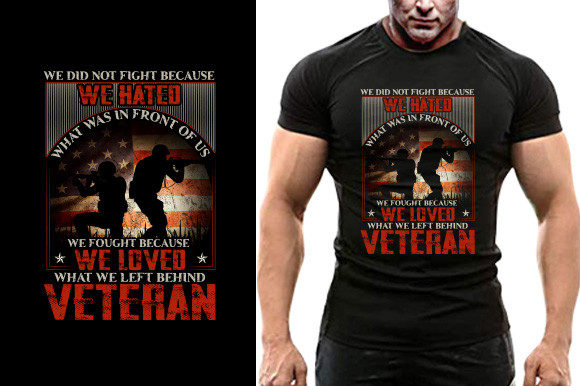
When evaluating the shape and theme, I noticed that the design leans towards a classic, centered composition. This is a smart choice for commercial use because it fits standard placement areas on t-shirts, sweatshirts, and tote bags. The text "We did not fight because we hated what was in front of us" sets a contemplative tone, while "we fought because we loved what we left behind veteran" delivers the punchline with pride. For a digital product seller or an Etsy shop owner, this kind of clear messaging is gold. It reduces the need for extra description in your listings because the design does the talking.
Real-World Application: From Digital File to Finished Product
Let me take you through a specific scenario. Imagine you are preparing a custom embroidered tote bag for a local craft fair. You want to create a limited-run item for veterans' families. You select We Loved What We Left Behind Veteran as your primary graphic. How does it perform?
In this context, the design shines. Tote bags offer a large, stable canvas, usually made of cotton duck or canvas, which handles fill stitches beautifully. The text would render with high clarity, and the emotional impact would be amplified by the tactile nature of the thread. Customers browsing a booth would stop to read the message, and the quality of the stitch work would signal professionalism and care.
However, consider a different project: a baby onesie or a small nursery pillow cover. Here, the scale becomes critical. If the design is too dense or the lettering too small, it might lose its impact on such a tiny surface area. We Loved What We Left Behind Veteran works well here only if the digitizer has optimized the stitch density for smaller hooping. For a small business owner selling personalized gifts, ensuring the design scales down without losing detail is the difference between a cherished keepsake and a disappointing purchase.
I also envision this design on a sweatshirt or a heavy-duty apron. These garments are staples for holiday gifts and boutique branding. The sturdy fabric supports the texture of satin stitch and fill stitch, allowing the design to stand out against the material. Whether you are creating a commercial embroidery project for a uniform or a handmade product for a personal gift, the versatility of this file is its strongest asset.
Navigating Challenges: Where Caution is Key
No design is perfect for every situation, and We Loved What We Left Behind Veteran is no exception. As an experienced reviewer, I must point out where this design requires careful handling. One of the most common pitfalls in machine embroidery is working with textured or stretchy fabrics. If you attempt to stitch this design on a thin, loose-knit jersey or a highly textured wool blend without proper stabilizer, you risk puckering or distortion.
For small hoop sizes, you need to inspect the intricate corners of the letters closely. Sometimes, complex curves in embroidery files can lead to thread breaks or skipped stitches if the fabric pulls too much. Similarly, dark fabrics present a challenge. While the design likely includes a color palette that contrasts well, you must verify the thread colors before starting. If the background is black, you may need a light underlay or specific thread choices to ensure the text pops.
Another area of caution is curved surfaces like caps. Embroidering a long sentence like "We did not fight because we hated what was in front of us" on a curved brim or a structured cap can be tricky. The tension needs to be perfectly calibrated to avoid warping the hat's shape. If you are an embroiderer specializing in headwear, test this design on scrap fabric first to gauge the curvature requirements.
Impact on Brand Value and Customer Trust
In the competitive landscape of Etsy sellers and creative entrepreneurs, the quality of your finished product dictates your reputation. We Loved What We Left Behind Veteran has the potential to elevate a simple t-shirt into a statement piece. When customers receive a garment with crisp, clean stitching and a powerful message, their trust in your brand grows. They see that you care about the details, from the choice of design to the execution of the stitch.
This design also enhances the perceived value of your products. A well-executed embroidery project looks more expensive than a print, even if the base cost is similar. For digital product sellers offering printable mockups, showcasing this design on high-quality textures can drive engagement and sales. It signals to buyers that they are purchasing a premium, thoughtfully crafted item rather than a mass-produced generic good.
Furthermore, the emotional resonance of the message fosters a connection with the buyer. Whether it is a wedding gift, a holiday present, or a tribute to a family member, the design facilitates a deeper conversation. This connection is vital for repeat business and word-of-mouth referrals in the handmade community.
Practical Notes for the Embroidery Designer
Before you commit to running this design on a production line or shipping out your first batch of orders, there are several technical steps you must take. First, always test the design on scrap fabric that matches your final material. This allows you to check the thread color contrast and review the stitch density. If the design feels too heavy or too light, adjust your settings accordingly.
Confirm your hoop size early in the process. If the design exceeds your machine's capabilities, you may need to split it or resize it, which could alter the aesthetic. Inspect small details and tight lettering under a magnifier to ensure there are no gaps or overlapping threads that could ruin the finish. Use a proper stabilizer to support the fabric, especially if you are working with stretchy materials or lightweight fabrics.
It is also wise to test the design in black and white mockups. This helps you visualize the contrast and ensures the text remains legible regardless of the color scheme. Compare how the design looks on both light and dark backgrounds to make sure it meets your standards for all variations.
Finally, double-check the licensing terms. The product description mentions that We Loved What We Left Behind Veteran can be used for POD businesses or personal use, but you must confirm the specific rules regarding commercial embroidery projects. Are you allowed to sell finished items? Do you need to credit the creator? Understanding these legal boundaries protects your small shop product line and ensures you are operating ethically.
In conclusion, We Loved What We Left Behind Veteran is a thoughtful, emotionally resonant addition to any library of graphics. With the right preparation and attention to technique, it can serve as the centerpiece for beautiful, meaningful projects that resonate deeply with recipients. Whether you are a hobbyist making a gift or a seasoned pro building a brand, this design offers a solid foundation for success.