Never Stop Trying Typography T-shirt: A Real-World Embroidery Review
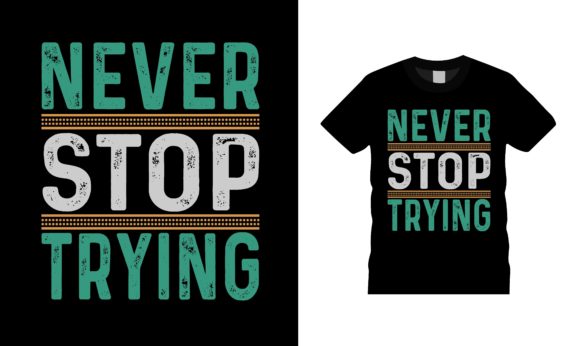
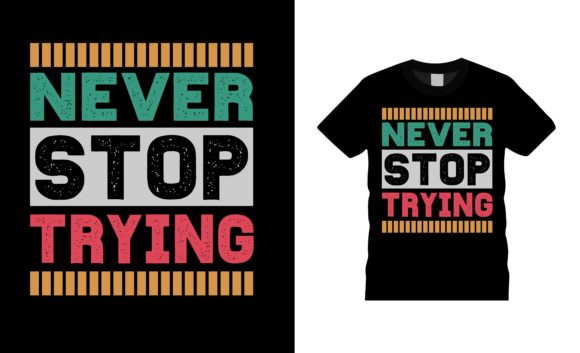
I have spent years reviewing embroidery files for my own shop and for clients who need reliable assets for their craft businesses. When I first encountered the Never Stop Trying Typography T-shirt, it wasn't just another graphic template; it felt like a statement piece ready to be translated into thread. As a designer, my first question is never about the file size or format, but about the mood. This design immediately projects resilience and vintage charm. The typography carries a retro weight that suggests durability, making it an ideal candidate for a machine embroidery design intended to last as long as the message implies.
The visual personality of this piece is distinct. It leans heavily into a vintage aesthetic, which has been a staple in the world of custom apparel for decades. When I look at the layout, I see how the letters interact with negative space. For an embroidery project, spacing is everything. If the letters are too tight, they will merge into a muddy blob during stitching. If they are too loose, the design loses its impact. My initial assessment of the Never Stop Trying Typography T-shirt suggests a balanced composition that should hold up well on various textile fabrics, provided the stitch density is managed correctly.
Bringing the Design to Life in a Custom Project
To truly understand the potential of this design, I imagined placing it on a real-world product rather than just viewing it on a screen. Let's say I am preparing a batch of handmade products for a local holiday market. I want to create a series of aprons and kitchen towels for home cooks who appreciate a bit of grit and encouragement in their daily routine. The Never Stop Trying Typography T-shirt fits this scenario perfectly.
Imagine the finished product: a heavy cotton canvas apron embroidered with this motif. The retro style would pop against a cream or denim background, creating a tactile connection between the wearer and the garment. However, if I were to use this same design on a baby item, such as a onesie or a soft blanket, the approach changes. The lettering needs to be softer, perhaps using a lighter stitch density to avoid irritation against delicate skin. In this context, the design becomes more than just a graphic; it transforms into a personalized gift that conveys a heartfelt sentiment. The emotional value of the embroidery elevates the perceived quality of the handmade product significantly.
I also considered using this design for a boutique brand launch. A small business owner might want to add this phrase to sweatshirts or tote bags. The versatility here is impressive. On a sturdy tote bag, the bold lines of the typography can withstand the friction of daily use. On a sweatshirt, the texture of the fabric adds depth to the satin stitch elements. The key is ensuring that the design complements the garment rather than overwhelming it. For a youth t-shirt, the energy of the message aligns well with the target demographic, making it a strong choice for streetwear-inspired embroidery.
Navigating Technical Challenges in Stitching
While the concept is sound, every embroidery file faces technical hurdles when moved from digital to physical. One area where designers must exercise caution is with small hoop sizes. If you attempt to stitch the Never Stop Trying Typography T-shirt on a very small patch or a curved surface like a cap, the fine details might get lost. Curved surfaces require careful tension adjustments to prevent puckering, which can distort the retro lettering. I would advise testing the design on a scrap piece of the actual fabric first to gauge how the threads lay down.
Fabric texture plays a massive role in the final outcome. Thin or stretchy fabrics can warp under the tension of a dense fill stitch. If you plan to embroider this onto a lightweight polyester blend, you will need a high-quality stabilizer to support the stitches. Without proper backing, the design could pull the fabric, ruining the drape of the garment. Similarly, dark fabrics present a challenge regarding thread color contrast. If the original design relies on light colors, you may need to adjust your thread palette or add a layer of underlay to ensure the text remains legible against the dark background.
Dense stitch areas are another consideration. Typography designs often rely on solid fills to create boldness. If the stitch density is too high, the fabric becomes stiff and uncomfortable. Conversely, if it is too low, the underlying material might show through, giving the finished product a cheap appearance. For a commercial embroidery project, finding this balance is crucial for customer trust. Buyers expect professional results, and a poorly executed stitch pattern can undermine the entire brand identity.
Maximizing Value for Your Craft Business
For Etsy sellers and creative entrepreneurs, the visual appeal of a design directly impacts sales. A well-executed Never Stop Trying Typography T-shirt design signals professionalism. It shows that you care about the details, from the alignment of the letters to the cleanliness of the edges. When customers see a high-quality embroidered patch or a crisp logo on a hoodie, they are more likely to perceive the item as a premium good. This perception allows you to command higher prices and build a loyal following.
The design also serves as a powerful branding tool. Whether you are selling printable mockups or finished goods, having a consistent theme helps establish recognition. If you use this typography across your line of holiday gifts, wedding favors, or nursery decor, you create a cohesive collection. The message "Never Stop Trying" resonates with a wide audience, making it a versatile asset for various occasions. It works beautifully for graduation gifts, motivational decor, or even corporate swag for startups looking to inspire their teams.
However, before you commit to a large production run, there are practical steps you must take. Always review the stitch density and confirm the hoop size requirements. Check whether the design works for both personal and commercial projects by verifying the licensing terms. Some digital embroidery files come with restrictions that limit how many items you can sell. Ignoring these terms can lead to legal issues down the road. Additionally, inspect small details closely. Sometimes, tiny curves or sharp angles in vector illustrations can cause thread breaks or needle strikes if not optimized for embroidery.
Testing the design in black and white mockups is also a smart move. This helps you visualize the contrast without the distraction of color. Compare how the design looks on light versus dark fabric backgrounds to ensure the thread colors chosen provide enough visibility. Using the proper stabilizer is non-negotiable; it ensures the fabric stays flat and the stitches remain secure. If you are unsure about the file formats or machine compatibility, reach out to the creator or consult the documentation before purchasing.
Final Thoughts on Practical Application
The Never Stop Trying Typography T-shirt offers a compelling blend of style and sentiment that translates well into the realm of machine embroidery. It is not just a graphic; it is a conversation starter that adds character to any textile fabric. Whether you are crafting a unique gift for a loved one or building a robust inventory for your small shop product line, this design provides a solid foundation. By paying attention to fabric choices, stabilizer usage, and stitch density, you can elevate this graphic template into a finished product that stands out.
For those in the apparel decoration industry, this design represents a great opportunity to diversify your offerings. From tea towels to pillow covers, the applications are endless. Just remember that success lies in the execution. Take the time to test, adjust, and refine. When done right, the result is a piece of art that honors the craftsmanship of handmade goods while delivering a timeless message. As you move forward with your next embroidery project, keep these practical insights in mind to ensure your work meets the high standards expected by today's discerning buyers.