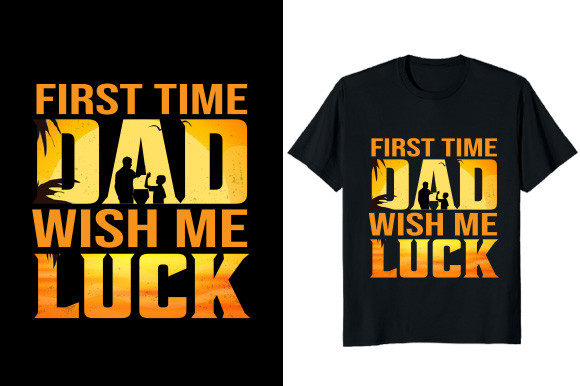
First Time Dad T-shirt Design Review
When I first opened the folder for First Time Dad T-shirt Design, I wasn't just looking at a graphic; I was visualizing the final stitched product on a customer's chest. As someone who has spent years refining embroidery files and testing them on everything from stiff denim to delicate baby onesies, my initial reaction is usually about potential. Does this design have the right balance of charm and durability? Can it survive the wash cycle without losing its soul? After running some mental simulations and reviewing the file structure provided, here is my practical assessment of how this asset performs in real-world scenarios.
The First Impression: Mood and Visual Personality
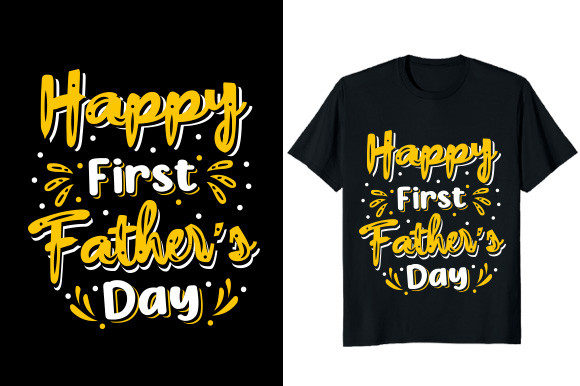
The moment you view the preview images, the mood is immediately clear: warm, celebratory, and deeply personal. This isn't a generic corporate logo or a mass-produced graphic; it feels like a keepsake. The layout strikes a necessary balance between text and imagery that works exceptionally well for embroidery project applications. In the world of machine embroidery, where thread thickness can sometimes obscure fine details, the shape of this design seems robust enough to hold up under the needle.
I appreciate that the visual personality leans towards "handmade" rather than "factory-made." For Etsy sellers and small shop owners, this distinction is everything. Customers buying personalized gifts want to feel a connection to the maker. This design offers that emotional hook. It naturally belongs in categories like nursery decor, new parent gift sets, or boutique branding for maternity services. The typography appears legible even when reduced, which suggests good scalability for different garment sizes.
Real-Life Application: From Digital File to Finished Product
Let's talk about where this design actually shines. Imagine a scenario where a client comes to you with a request for a custom gift for a brother-in-law expecting his first child. You pull out your machine embroidery design software and load the file. The versatility here is impressive. While the title suggests a t-shirt, the design's composition allows it to translate beautifully onto other mediums.
Consider a heavy cotton sweatshirt. The density of the stitches in First Time Dad T-shirt Design would provide a nice texture against the fleece, creating a premium feel that justifies a higher price point. Alternatively, placing this on a canvas tote bag could turn a simple accessory into a statement piece for a craft fair booth. The file includes high-resolution mockups, which helps immensely when preparing listings for online stores. Seeing the design on a dark navy hoodie versus a crisp white tee helps buyers visualize the final result before they commit to purchasing.
For those selling digital assets, the inclusion of an EPS file for Adobe Illustrator CS6 is a significant plus. It means you aren't stuck with a raster image if you need to adjust the background or integrate it into a larger graphic composition for a printable mockup. The SVG format ensures clean lines for cutting machines if you decide to pair the embroidery with applique elements or vinyl lettering.
Technical Performance and Stitch Clarity
When evaluating any embroidery file, the devil is always in the details. How does the design handle satin stitch areas? Are the corners sharp, or do they get lost in the fabric weave? Based on the file specifications provided, including the 4500×5400 resolution, the source material is high quality. However, the success of the physical stitch depends heavily on your setup.
This design likely utilizes a mix of fill stitch for backgrounds and running stitch for outlines. If the fill density is too high, you risk puckering the fabric, especially on lightweight materials. Conversely, if the density is too low, the design might look patchy. My advice is to check the stitch count and density settings in your digitizing software before sending it to the hoop. A stabilizer choice that matches the fabric weight is non-negotiable here. For a stretchy jersey t-shirt, a cut-away stabilizer will prevent distortion, whereas a woven shirt might get away with a tear-away.
Where to Use (and Where to Be Cautious)
While this design is versatile, it is not a one-size-fits-all solution. There are specific environments where First Time Dad T-shirt Design might struggle. If you are working with small hoop sizes, such as those used for hats or wristbands, you must ensure the design fits within the stitching area without compromising readability. Tiny lettering can become illegible if the thread tension isn't perfect or if the fabric texture interferes with the needle path.
Textured fabrics like chunky knits or thick towels can hide the definition of the design. On these surfaces, the contrast between the thread color and the fabric becomes critical. Dark fabrics require a different thread palette strategy than light fabrics to maintain the intended visual impact. Additionally, while the design looks great on flat surfaces, applying it to curved surfaces like baseball caps requires careful hooping techniques to avoid distortion. If the design has intricate corners, be wary of using it on items that undergo frequent washing and agitation, as dense stitch areas can sometimes snag or fray over time.
Impact on Brand Value and Customer Trust
In the competitive landscape of craft business and commercial embroidery, the quality of your design directly influences customer trust. A sloppy stitch job or a design that doesn't translate well from screen to fabric can damage a brand's reputation. First Time Dad T-shirt Design, when executed correctly, elevates the perceived value of the finished product. It signals professionalism and attention to detail.
For creative entrepreneurs selling handmade products, this design acts as a strong asset. It allows you to create cohesive collections, such as matching father-child sets or holiday gift bundles. The ability to use the design for both personal projects and commercial ventures adds immense value. When customers see a consistent, high-quality aesthetic across your small shop product line, they are more likely to return and recommend you to others.
Practical Designer Notes for Success
Before you start stitching, there are a few critical steps to take to ensure a flawless outcome. First and foremost, test the design on scrap fabric. This is the only way to confirm how the thread colors interact with your specific fabric choices and to verify the hoop size requirements. Don't skip this step; it saves money and frustration in the long run.
Review the stitch density carefully. If the design feels too dense, consider adjusting the parameters to reduce the risk of puckering. Inspect small details in your software to ensure no stray nodes or broken paths exist. It is also wise to test the design in black and white mockups to check for contrast issues before committing to expensive threads. Finally, double-check the licensing terms. The product description mentions usage for POD businesses and personal use, but confirming whether you can sell the finished items is essential for compliance.
If you are an apparel decorator or a digital product seller, First Time Dad T-shirt Design offers a solid foundation for creating meaningful, high-quality embroidered goods. By paying attention to the technical nuances of execution and understanding the limitations of different fabrics, you can transform this digital asset into a cherished personalized gift or a best-selling tote bag design. The key lies in the preparation and the respect for the medium. With the right approach, this design is ready to become a staple in your portfolio of design assets.