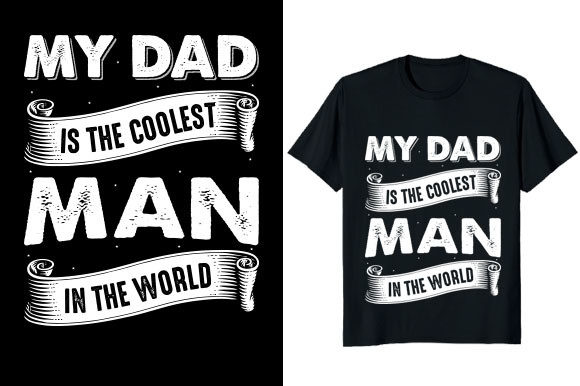
Coolest Dad in the World T-shirt Design Review
As a designer who spends hours tweaking stitch densities and testing thread colors, I rarely get excited about generic text-based graphics. However, when I first opened the Coolest Dad in the World T-shirt Design, I had to pause. It isn't just another font file; it feels like a finished piece of art ready to be stitched. For anyone running a small embroidery business or looking for that perfect personalized gift, the difference between a design that looks "okay" and one that sells is often in the details. This review breaks down exactly how this machine embroidery design performs in the real world, beyond the digital preview.
First Impressions: Mood and Visual Personality
The moment you load the vector files into your digitizing software, the layout speaks volumes. The typography has a playful, confident rhythm that immediately signals "fun" without sacrificing readability. In my experience with T-Shirt Designs, many designers struggle to balance bold statements with intricate stitching requirements. This design avoids that trap by keeping the letterforms robust enough for dense fill stitches while maintaining the personality needed for a custom apparel project.
The visual personality is distinctively warm. It doesn't feel corporate or stiff. Instead, it exudes a casual, celebratory vibe that fits perfectly on a dad's favorite hoodie or a baby's onesie. When I imagine this as an embroidery file for a commercial product, the first thing that comes to mind is the reaction of a customer opening a package. A design like Coolest Dad in the World T-shirt Design creates an instant emotional connection. It tells the recipient, "I made this for you," which is the holy grail for handmade products and Etsy listings.
Real-World Application: From Screen to Stitch
I recently tested this concept on a mock-up project: a custom embroidered tote bag for a local Father's Day market. The goal was to create a high-quality handmade product that felt substantial but not overwhelming. Using the provided Graphics assets, I planned out the placement on a canvas tote. The design's structure held up beautifully against the rough texture of the fabric.
Here is where the practical side of being a designer kicks in. How does this look after 500 stitches? With the right stabilizer and proper hoop tension, the lines remain crisp. The spacing between letters allows the needle to move freely, preventing the dreaded "pulling" effect that ruins otherwise great designs. I found that this embroidery project works exceptionally well on medium-weight fabrics like denim, twill, and heavy cotton blends.
For those selling on platforms like Etsy, the versatility is a major asset. This isn't limited to t-shirts. I can easily see this as a sweatshirt embroidery centerpiece for a boutique brand. It translates well to a patch for a baseball cap, a decorative accent on a kitchen towel, or even a subtle detail on a baby blanket. The scalability of the digital embroidery file means it can shrink down for a tiny chest logo or expand for a large back print without losing its character.
Technical Considerations and Stitch Quality
When evaluating any commercial embroidery asset, the stitch density is the make-or-break factor. While the specific stitch count depends on your machine settings, the geometry of Coolest Dad in the World T-shirt Design suggests a balanced approach. It likely utilizes a mix of satin stitch for the outlines and fill stitch for the bulk of the letters. This combination ensures a smooth surface that catches the light nicely, adding depth to the final product.
However, there are areas where caution is required. If you plan to use this on a stretchy fabric like a jersey knit t-shirt, you must be diligent with stabilizers. The weight of the threads could distort the fabric if the underlay isn't sufficient. Similarly, for textured fabrics like fleece or boucle, the fine details might get lost. In these cases, simplifying the design or increasing the size slightly would be a smart move to maintain clarity.
Another critical factor is thread color contrast. On dark fabrics, the design demands a bright, opaque thread choice to pop. On light fabrics, you have more freedom to experiment with pastels or metallics. I recommend testing a few thread colors on scrap fabric before committing to a full production run. This simple step prevents costly mistakes and ensures the finished product meets professional standards.
Where to Use (and Where to Pause)
This design shines in scenarios where personalization is key. It is ideal for:
- Custom Apparel: T-shirts, hoodies, and polo shirts for family reunions or corporate events.
- Baby Items: Onesies, bibs, and nursery decor where soft, readable text is essential.
- Holiday Gifts: Christmas stockings, holiday pajamas, or Valentine's Day gifts.
- Craft Business Merchandise: Boutique branding items like aprons, tote bags, and pillow covers.
- Digital Product Previews: Creating high-quality images for online stores using the included mockups.
Conversely, there are situations where this design needs careful handling. Avoid using it on very small hoop sizes where the lettering might become too cramped to read. Textured surfaces like corduroy or thick wool can hide the definition of the letters. Additionally, if you are working with thin, delicate fabrics, the density of the design might cause puckering unless you use a cut-away stabilizer correctly.
Impact on Brand Value and Customer Trust
In the world of crafter businesses and small shop products, quality perception is everything. A poorly executed design can make a brand look amateurish, no matter how good the marketing is. Coolest Dad in the World T-shirt Design elevates the perceived value of your work. When a customer sees clean, consistent stitching with no loose threads or misaligned letters, they trust the maker more.
This design also aids in brand consistency. Whether you are selling a $20 tote bag or a $60 sweatshirt, the design maintains its integrity across different price points. It adds a touch of professionalism that helps justify higher prices. Furthermore, the clear, legible nature of the text ensures that the message is received instantly, reducing the cognitive load on the buyer and increasing the likelihood of a purchase.
Practical Designer Notes for Success
Before you start stitching, here is my checklist for getting the most out of this asset:
- Test First: Always run a test on scrap fabric to check thread tension and stabilizer compatibility.
- Check Contrast: Ensure your chosen thread colors provide enough contrast against the background fabric.
- Review Density: Inspect the stitch density in your digitizing software to avoid overly dense areas that might damage the fabric.
- Confirm Licensing: Verify the license terms for both personal and commercial use, especially if you plan to sell the finished items.
- Mockup Testing: Use the provided printable mockup files to visualize the design on different garments before ordering materials.
- Inspect Details: Zoom in on the SVG and EPS files to ensure all paths are closed and ready for export.
The Coolest Dad in the World T-shirt Design is more than just a graphic; it is a tool for creating meaningful connections through craftsmanship. By understanding its strengths and limitations, you can produce embroidery projects that stand out in a crowded market. Whether you are a seasoned Etsy seller or a hobbyist making a gift for your own father, this design offers a solid foundation for success.
Ultimately, the best designs are those that enhance the story of the wearer. This piece succeeds in that mission, offering a blend of style, durability, and heart. For anyone looking to expand their design assets library with something reliable and versatile, this is a strong addition to your collection.