Emission and Emotion Bicycle T-shirt Review
As a designer who has spent years turning digital files into tangible, stitched masterpieces, I approach every new asset with a mix of excitement and skepticism. When Emission and Emotion Bicycle T-shirt landed on my desk, it wasn't just another graphic; it felt like a narrative waiting to be realized in thread. This review isn't about the marketing copy or the file compression details found in the description. Instead, I am stepping into the role of a practitioner, analyzing how this design truly performs when it moves from the screen to the hoop, specifically for those looking to create high-quality handmade products, custom apparel, or boutique merchandise.
The First Impression: Mood and Visual Personality
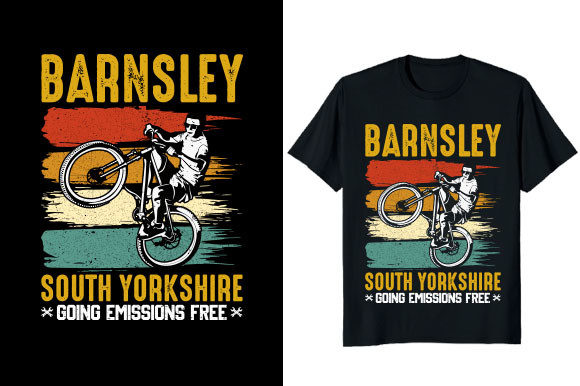
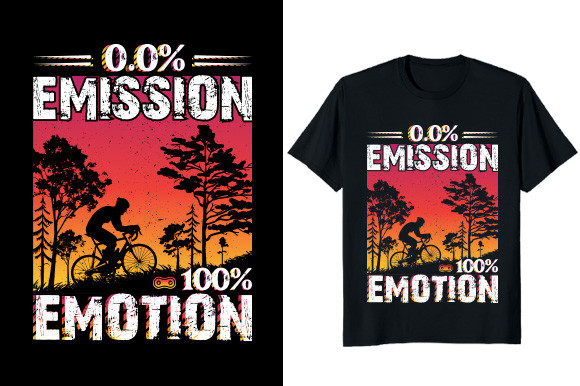
The moment you open the vector layers of Emission and Emotion Bicycle T-shirt, the mood is immediately apparent. It strikes a balance between modern minimalism and nostalgic charm. The layout suggests movement, capturing the essence of a ride while weaving in an emotional connection that goes beyond mere transportation. For an embroidery designer, the initial challenge is always interpreting flat graphics into three-dimensional texture. Does the design rely too heavily on fine lines that will disappear under tension? Or does it have bold shapes that will hold up against the rigors of stitching?
This particular piece feels robust. The core imagery is substantial enough to command attention without overwhelming the garment. It possesses a visual personality that is both playful and professional, making it versatile enough for a wide range of applications. Whether you are designing for a corporate team ride, a local cycling club, or a personal gift, the design carries a weight that suggests quality. It avoids the cluttered look of many trendy graphics, opting instead for a clean aesthetic that translates well into various stitch types.
Real-World Application: From Digital File to Finished Product
Let's imagine a specific scenario. You are preparing for the holiday season, and your small shop needs a standout item. You decide to create a line of embroidered tote bags and sweatshirts featuring the Emission and Emotion Bicycle T-shirt design. You aren't just slapping a logo on a bag; you are curating an experience. How does the design perform here?
In the context of a tote bag, the design shines. The canvas fabric provides a stable surface that allows the stitch density to sit flush without puckering. The contrast between the thread colors and the fabric background becomes the focal point. If you choose a deep navy bag with bright, vibrant threads, the bicycle graphic pops with energy. The "Emission" aspect of the theme might resonate with eco-conscious buyers, while the "Emotion" side appeals to the sentimental value of the journey. It transforms a simple utility item into a statement piece.
Now, consider applying this same design to a baby onesie or a nursery pillow cover. Here, the scale changes, but the appeal remains. The clean lines of the graphic prevent it from looking overwhelming on smaller garments. However, you must be mindful of the hoop size. A design that looks perfect on a large sweatshirt might lose its impact if shrunk down too much for a tiny hat or a patch. The key is to respect the original proportions. If you stretch the design to fit a curved cap brim, you risk distorting the geometry, which can ruin the intended emotional resonance.
Navigating Technical Challenges and Fabric Choices
Not every surface is created equal, and knowing where to apply Emission and Emotion Bicycle T-shirt is just as important as knowing how to stitch it. While this design is adaptable, there are specific scenarios where caution is required. Textured fabrics, such as heavy fleece or bouclé, can obscure fine details. If the design includes intricate lettering or small decorative accents, these elements might get lost in the weave of the material.
Similarly, thin or highly stretchy fabrics present a significant hurdle. Without proper stabilizer support, the tension of the machine needle can cause the fabric to pucker around the design, creating a distorted appearance that undermines the professionalism of the finished product. Dark fabrics also require careful consideration regarding thread color. If the original graphic relies on white or light-colored spaces to define the shape, using dark thread on a black shirt might result in a design that is difficult to see until lit from the right angle.
I would advise against using this design on items that require frequent, aggressive washing unless you have tested the durability of the stitches. While the design itself is strong, the longevity of any embroidery depends on the materials used. For a commercial product like a kitchen towel or a blanket, ensure the thread quality matches the expected lifespan of the item. A cheap thread might fade or fray, detracting from the premium feel of the Graphics and diminishing the perceived value of your brand.
Strategic Design Notes for the Professional Creator
Before you commit to a full production run, there are critical steps every experienced designer takes. First and foremost, test the design on scrap fabric. This is non-negotiable. Run a sample through your machine and inspect the back for loose threads and the front for skipped stitches. Check the stitch density closely; areas that are too dense can become stiff and uncomfortable, while areas that are too sparse may lack definition.
You should also evaluate the design in black and white mockups. Sometimes, color distractions hide structural flaws in the layout. Does the silhouette remain clear when color is removed? This ensures the design works regardless of the thread palette you eventually choose. Furthermore, compare how the design looks on both light and dark backgrounds. The versatility of Emission and Emotion Bicycle T-shirt is one of its strengths, but only if you can maintain consistency across different product variations.
For those selling on platforms like Etsy or running a craft business, presentation is everything. Use printable mockups that showcase the design on realistic garments. A photo of a plain t-shirt with a digital overlay is good, but a photo of the actual embroidered item builds trust. Customers want to see the texture, the sheen of the thread, and how the design sits on the fabric. This level of detail elevates a simple embroidery project into a desirable commodity.
Final Thoughts on Value and Versatility
Ultimately, Emission and Emotion Bicycle T-shirt stands out as a design that respects the craft of embroidery. It doesn't try to be something it isn't. It offers a solid foundation for custom apparel, personalized gifts, and commercial projects alike. Whether you are creating a limited edition run for a boutique or a one-off gift for a friend, this design provides the visual anchor needed to make a lasting impression.
However, remember that the success of the final product lies in your execution. Verify the file formats provided—ensuring you have the correct EPS, SVG, JPG, and PNG versions for your specific workflow—is crucial. Confirm the licensing terms before selling finished items to protect your business. By treating the design with the care it deserves and adhering to best practices in stabilization and thread selection, you can transform this digital asset into a cherished physical object. In a market saturated with generic prints, a thoughtfully executed embroidery piece like this one speaks volumes about your dedication to quality and artistry.