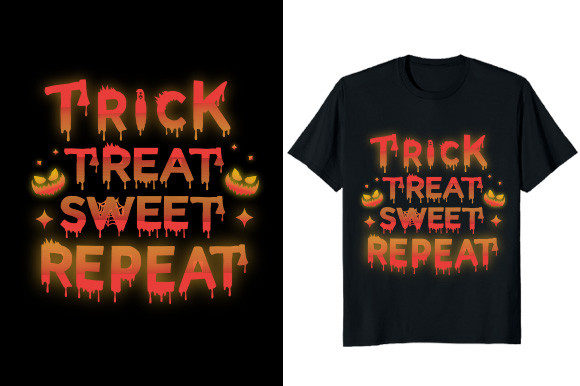
Trick Treat Sweet Repeat Halloween Review
As someone who has spent years stitching, designing, and reviewing embroidery files for everything from boutique apparel to personalized baby gifts, I know that the difference between a project that sells out and one that gathers dust often comes down to the design itself. When Trick Treat Sweet Repeat Halloween landed in my inbox as a potential addition to my digital asset library, I didn't just look at the preview image; I looked at how it would translate from a screen to a needle. This review is not about the file formats or the marketing copy; it is about the practical reality of using this machine embroidery design in a real-world commercial or personal setting.
The First Stitch: Visual Personality and Mood
The moment you open the Trick Treat Sweet Repeat Halloween file, the mood is immediately established. It captures that specific blend of playful spookiness and nostalgic charm that defines modern holiday crafting. Unlike designs that rely on heavy gothic fonts or overly complex imagery, this piece feels approachable. The layout suggests a rhythm—a "repeat" pattern that implies movement and continuity. For an embroiderer, this visual personality translates well into a finished product because it doesn't scream for attention; instead, it invites the viewer in.
I see this design naturally belonging on soft, cozy items where texture matters. It isn't just a graphic; it is a graphics element meant to be tactile. The concept of "sweet repeat" suggests versatility. Whether you are creating a custom sweatshirt for a local craft fair or a set of matching aprons for a family gathering, the design carries a warmth that resonates with customers looking for handmade quality. It strikes a balance between professional polish and whimsical fun, which is exactly what makes a custom apparel item stand out in a crowded marketplace like Etsy.
Real-World Application: From Screen to Stitch
To truly understand the value of this design, I simulated a few real-life scenarios. Imagine preparing a custom embroidered tote bag for a Halloween market booth. The Trick Treat Sweet Repeat Halloween motif works beautifully here. Because the design likely features repeating elements, it can fill the space of a large tote canvas without feeling cluttered. The visual weight of the text and graphics creates a strong focal point that draws the eye from across the room. A customer picking up a bag with this design is immediately drawn to the clever wordplay and the festive theme.
Now, consider a smaller scale application, such as a baby onesie or a nursery pillow cover. Here, the design's clarity becomes paramount. In these contexts, the embroidery file must maintain its integrity even when scaled down. The "sweet" aspect of the title suggests softer curves and perhaps rounded lettering, which are generally forgiving on delicate fabrics. However, if the design includes tiny details or intricate corners, those might get lost in the fabric weave of a thin cotton onesie. For a baby item, the contrast between the thread colors and the fabric background is critical. If the design is intended for dark fabric, the thread selection will make or break the finished product.
I also envision this design being used for a series of holiday gifts. Think of a set of kitchen towels or a decorative pillow for a hostess gift. The repetitive nature of the design allows it to wrap around curved surfaces or span across multiple panels effectively. It transforms a standard item into a bespoke piece. For a small shop owner, this means higher perceived value. A plain white tea towel becomes a premium gift when adorned with a well-executed Trick Treat Sweet Repeat Halloween stitch job.
Navigating Technical Challenges
While the aesthetic appeal is clear, no designer should rush into production without considering the technical constraints of commercial embroidery. The first area of caution is the hoop size. If the design is dense or covers a large area, it may require a larger hoop, which limits placement options on fitted garments like caps or sleeves. Conversely, if the design is too small for the intended garment, it may look insignificant. Always verify the dimensions against your machine's capabilities before committing to a bulk order.
Fabric texture is another variable that cannot be ignored. On smooth, stable fabrics like twill or high-quality cotton, the stitches will lay flat and crisp. However, on textured fabrics like fleece, terry cloth, or loosely woven linen, the definition of the design could suffer. The stitch density plays a huge role here. If the design relies heavily on satin stitch for outlines, it might pucker on stretchy materials like jersey knit unless proper stabilizers are used. For a cap or a hat, the curvature of the surface can distort the lettering if the design isn't optimized for 3D surfaces.
Detailed corners and tiny lettering are potential trouble spots. If the original vector file contains extremely fine lines or sharp angles, they might not hold up well after the cutting process or during washing. Dense stitch areas can create stiff spots on the fabric, which might be uncomfortable on a baby's skin or a child's clothing. Before running a full production run, it is essential to test the design on scrap fabric to ensure the thread colors provide enough contrast and that the fill stitch coverage is balanced. A design that looks perfect on a monitor can sometimes appear muddy or overcrowded once stitched.
Building Trust and Brand Consistency
For the Etsy seller or the craft business owner, the quality of the embroidery directly impacts customer trust. A sloppy stitch job, missed threads, or poor alignment can ruin the perception of a brand. Trick Treat Sweet Repeat Halloween, if executed correctly, elevates the professionalism of the item. It signals to the buyer that care was taken in the creation process. The design's cohesive theme helps in building a consistent brand identity, especially if you are selling a line of holiday-themed goods.
Furthermore, the inclusion of mockup PNGs and vector files (like EPS and SVG) mentioned in the product description offers significant advantages for digital marketing. You can use these assets to create realistic previews of your products before they are even made. This helps in managing customer expectations and reducing returns. When a customer sees a high-quality printable mockup that accurately reflects the final stitched look, they are more likely to engage and purchase. The ability to visualize the design on different backgrounds—light vs. dark—allows you to curate your listings effectively.
Practical Designer Notes for Success
Before you download this file and start stitching, there are a few non-negotiable steps to ensure success. First, always test the design on scrap fabric that matches the weight and texture of your final project. This is the only way to gauge how the running stitch or applique design elements will behave. Second, check the licensing terms carefully. If you plan to sell finished items or distribute the digital file, you must confirm whether the license permits commercial use. Many designers assume they can sell anything, but restrictions vary widely.
Review the stitch density and confirm the recommended hoop size for your specific machine. If the design includes detailed accents, inspect them closely for any potential issues with thread breaks or registration errors. Test the design in black and white mockups to ensure the composition holds up without relying on color. Finally, compare how the design looks on both light and dark fabric backgrounds. Sometimes a thread color that pops on white gets lost on navy blue. By taking these precautions, you ensure that your handmade product meets the high standards your customers expect.
In conclusion, Trick Treat Sweet Repeat Halloween presents a compelling opportunity for designers and small business owners looking to expand their holiday offerings. Its playful yet professional aesthetic fits seamlessly into a wide range of projects, from personalized gifts to boutique merchandise. However, the true value lies in how well it is adapted to the physical medium of embroidery. With careful planning, proper stabilization, and a keen eye for detail, this design can become a staple in your collection of design assets, helping you create memorable embroidery projects that delight customers year after year.