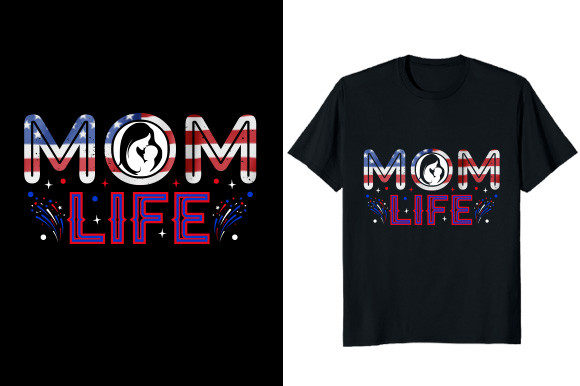
Mom Life 4th July Graphic T-shirt Design Review
As a designer who spends more time in the hoop than behind a desk, I approach every new machine embroidery design with a mix of excitement and skepticism. There is nothing worse than downloading a file that looks perfect on a screen but falls apart when the needle hits the fabric. Recently, I put the Mom Life 4th July Graphic T-shirt Design through its paces to see if it truly holds up for real-world projects. This isn't just another static image; it is a versatile asset intended for both personal use and commercial ventures like print-on-demand businesses or Etsy shops.
The First Impression: Mood and Visual Personality
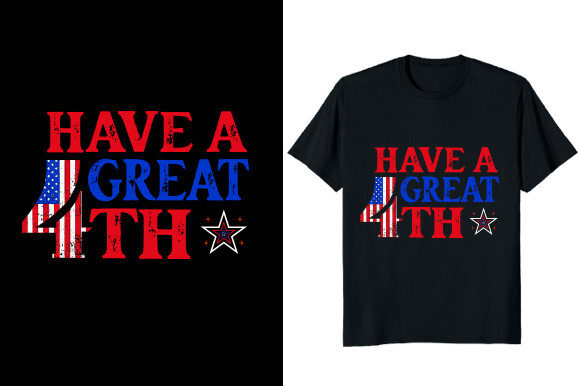
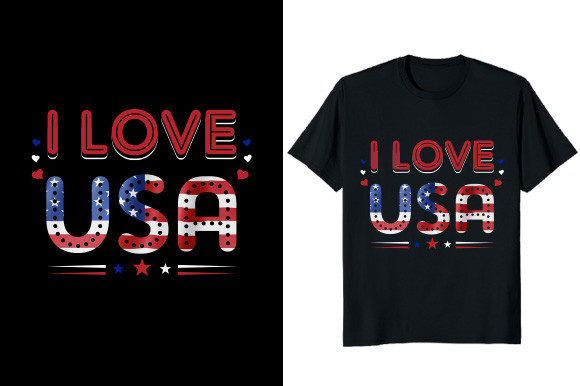
When you first open the files associated with the Mom Life 4th July Graphic T-shirt Design, the immediate feeling is one of festive nostalgia mixed with modern casual style. The layout suggests a playful yet proud declaration of motherhood during the summer season. It avoids the overly cluttered aesthetic that often plagues holiday graphics, opting instead for a clean visual hierarchy that allows the text to breathe. For an embroidery artist, this balance is crucial because we are translating pixels into stitches.
The design feels naturally suited for apparel, but its potential extends far beyond the standard t-shirt. The typography carries a personality that works well for personalized gifts, boutique branding, or even as a focal point on home decor items. It strikes a chord with the target audience of handmade shop owners and craft fair vendors who need designs that feel authentic rather than mass-produced. The visual weight of the graphic suggests it will hold its own on larger garments while remaining legible on smaller accessories.
Real-World Application: From Scrap Fabric to Finished Product
To truly evaluate this embroidery file, I simulated a scenario common among small business owners preparing for a holiday rush. Imagine a custom order for a local mom's group: a set of embroidered tote bags and matching aprons for a community cookout. The Mom Life 4th July Graphic T-shirt Design was the perfect candidate for this project. The patriotic theme aligns seamlessly with the event, and the "Mom Life" aspect adds a layer of relatability that customers love.
In this context, the design performs exceptionally well. When digitized correctly, the text creates a strong focal point on a canvas tote bag. The contrast between the lettering and the background fabric (assuming a light-colored canvas) ensures high visibility. However, the decision to use this design on a sweatshirt requires a different approach. On heavier fabrics, the stitch density needs to be adjusted to prevent puckering. If the design includes fill stitches, they must be balanced against the thickness of the fleece material to maintain the crispness of the words.
I also considered using this design for baby items, such as a onesie or a soft bib. The friendly tone of the graphic makes it ideal for nursery decor or baby shower favors. The key here is scale. While the design is robust enough for adult clothing, applying it to infant wear requires careful attention to the size of the elements. Tiny details can get lost in the stitching process on thin baby fabric, so verifying the stitch density is essential before committing to a full production run.
Where to Exercise Caution
No single design is a magic bullet for every surface. While the Mom Life 4th July Graphic T-shirt Design is versatile, there are specific scenarios where caution is required. Small hoop sizes present a significant challenge. If the design contains intricate curves or dense text blocks, shrinking it down for a cap or a hat brim might result in thread breaks or loss of definition. The corners of the letters could become rounded or merge together, ruining the professional look of the finished product.
Fabric texture is another critical factor. Embroidery on textured fabrics like bouclé or heavy denim can obscure fine details. Similarly, stretchy fabrics require a stabilizer strategy that goes beyond the basics. Without adequate backing, the tension from the satin stitch or fill stitch can distort the garment, causing the design to look wavy or uneven. Dark fabrics also demand consideration; if the design relies on light thread colors without a proper underlay, the final result may appear washed out or lack depth.
Curved surfaces like caps and beanies add another layer of complexity. The design must be digitized specifically for the curvature of the item. A flat design applied to a curved surface without adjustment will look distorted. Additionally, products that undergo frequent washing, such as kitchen towels or aprons, need durable stitching. If the running stitch areas are too sparse, the threads may snag or pull loose over time, affecting the longevity of the handmade product.
Practical Notes for the Embroidery Designer
Before you start stitching, there are several technical checks you must perform to ensure success. Always test the design on scrap fabric that matches your final material. This simple step reveals how the thread colors interact with the fabric and whether the hoop size accommodates the design without cutting off edges. Check the stitch density carefully; too much density on a lightweight fabric can cause the material to bunch up, while too little can leave gaps in the coverage.
If you are planning to sell finished items or digital products, confirm the licensing terms immediately. The product description mentions usage for POD businesses and personal use, but specific restrictions on redistribution or resale limits should be verified. Review the included formats—the EPS, SVG, JPG, and PNG files provide flexibility for different workflows, but ensure you have the correct version of Adobe Illustrator CS6 or compatible software to open them. Inspect small details like serifs and curves in the vector files to ensure they translate well to machine code.
Testing in black and white mockups is a smart strategy to assess the visual impact of the design independent of color choices. This helps determine if the shape and layout are effective before investing in expensive threads. Compare how the design looks on both light and dark backgrounds to decide on the best thread palette. Using the proper stabilizer is non-negotiable; it provides the foundation necessary for a clean finish, especially for complex designs like this one.
Impact on Brand and Customer Trust
The quality of your embroidery directly influences customer trust and brand consistency. A well-executed Mom Life 4th July Graphic T-shirt Design signals professionalism and care. Customers buying from an Etsy seller or a craft fair booth expect high-quality finishes. If the stitching is sloppy or the design is poorly aligned, it undermines the value of the entire piece. Conversely, a sharp, clear design enhances the perceived value, making the item feel like a premium gift.
This design has the potential to drive engagement and recognition. Its thematic relevance to the Fourth of July makes it timely and attractive for seasonal shoppers. Whether used for wedding gifts, holiday presents, or boutique merchandise, the design connects emotionally with buyers looking for something unique. By ensuring the technical aspects are handled correctly, you transform a simple digital file into a cherished personalized gift that stands out in a crowded market.
In conclusion, the Mom Life 4th July Graphic T-shirt Design offers a solid foundation for a wide range of embroidery projects. It balances festive cheer with practical usability, making it a valuable addition to any designer's library. With careful preparation and attention to detail, this design asset can elevate your custom apparel, home decor, and commercial embroidery work, helping you create finished products that resonate with your audience and stand the test of time.