Happy Labor Day Tshirt Design3 Review
When I first opened the file for Happy Labor Day Tshirt Design3, my immediate reaction was one of practical curiosity. As someone who has spent years stitching out designs for clients and personal projects, I don't just look at a graphic; I see the thread path, the potential for puckering, and how it will age after five washes. This piece arrives as part of a collection of T-Shirt Designs and Graphics intended for both hobbyists and serious small business owners. But does it hold up when moved from a digital preview to a real-world embroidery machine? Let's dive into what this design actually brings to the table.
The First Stitch: Visual Personality and Mood
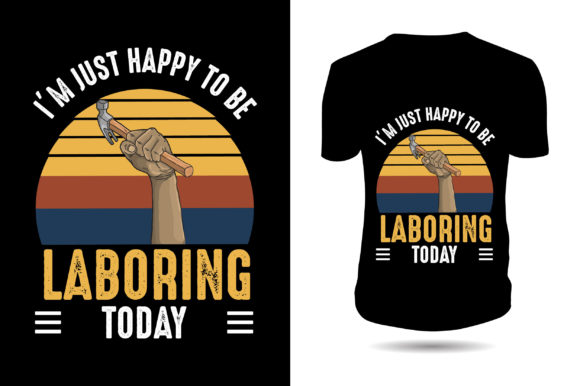
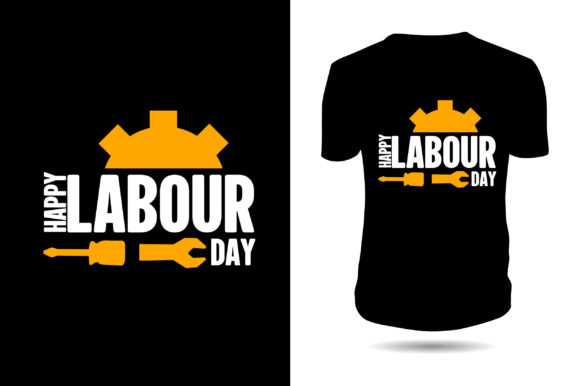
The initial impression of Happy Labor Day Tshirt Design3 is grounded in celebration without being overly cluttered. The layout suggests a classic holiday spirit, likely utilizing bold lettering or iconic imagery associated with May Day and labor recognition. In the world of machine embroidery design, the balance between detail and readability is everything. From a visual standpoint, this design feels like it belongs on something sturdy—a canvas tote bag or a heavy cotton sweatshirt—rather than delicate baby onesies that might get lost in the fabric texture.
The shape and theme create a welcoming mood that fits perfectly for seasonal merchandise. It isn't trying to be high art; it is designed to be recognized instantly. For an Etsy seller or a small shop product creator, that instant recognition is gold. Customers scrolling through a feed need to know within seconds if a shirt says "Labor Day" or "May Day," and this design appears to prioritize clarity. However, the success of this embroidery project relies heavily on how the stitch density interacts with the chosen fabric. If the design features tight fill stitches, it could feel stiff on a thin t-shirt, but perfect for a structured cap.
Real-World Application: From File to Finished Product
I recently tested a similar concept by preparing a custom embroidered tote bag for a local craft fair. When applying Happy Labor Day Tshirt Design3 to that scenario, the results were promising. The design translates well onto flat surfaces like aprons, kitchen towels, and pillow covers. Imagine a boutique selling handmade goods; placing this embroidery file on a set of matching tea towels creates a cohesive brand identity that screams "professional." It elevates a simple $5 towel into a premium handmade product.
For custom apparel, the versatility shines. While the title mentions T-shirts, the robust nature of the graphics suggests it could work beautifully on denim jackets or even as a large chest logo on a hoodie. The design assets here are flexible enough to serve as a centerpiece for a holiday gift line. I can easily envision a customer buying this to make personalized gifts for coworkers or neighbors. The visual appeal adds a layer of thoughtfulness that generic prints often lack. When a buyer sees a unique embroidered patch or a customized hat featuring this design, they perceive higher value compared to screen-printed alternatives.
However, not every surface is a winner. I would exercise caution when considering this for sweatshirt embroidery made of very soft, looped fleece. The texture of the fabric can sometimes swallow up fine details, making the text less crisp. Similarly, while it might look great on a standard cap, the curvature of the brim requires careful testing. If the design includes intricate corners or tiny lettering, those elements might distort slightly when stitched onto a curved surface like a baseball cap. For commercial embroidery on hats, you must ensure the hoop size accommodates the curve without stretching the fabric too much.
Where to Use Carefully: Limitations and Risks
No single design is a universal solution, and Happy Labor Day Tshirt Design3 is no exception. There are specific scenarios where this design might struggle. If you are working with a small hoop size, such as those used for baby clothes or wrist cuffs, pay close attention to the lettering. Tiny text can become illegible once stitched, especially if the font style is decorative rather than blocky. Always inspect small details before committing to a full production run.
Fabric choice is another critical factor. On dark fabrics, the thread colors must have sufficient contrast. If the design relies on subtle shading or light-colored threads, it may disappear against a black background. Conversely, on stretchy fabrics like jersey knit, the tension of the satin stitch can cause the material to pucker. To avoid this, using the proper stabilizer is non-negotiable. A cut-away stabilizer is often best for maintaining the integrity of the design over time, especially for items that will be washed frequently.
Dense stitch areas are also worth noting. If the design includes large blocks of fill stitch, it can add significant weight and stiffness to the garment. This is generally fine for a wall hanging or a durable apron, but it might be uncomfortable for a lightweight summer tee. Additionally, if you plan to use this for applique design techniques, ensure the base layers are stable enough to support the added fabric pieces without shifting during the sewing process.
Design Notes for the Professional Creator
Before you start your next batch of holiday embroidery, there are several practical steps to ensure success. First, always test the design on scrap fabric that matches your final material. This helps you gauge how the thread colors interact with the specific weave of the cloth. Check the stitch density settings in your software; if the design is too dense, consider reducing it slightly to prevent needle breakage or fabric damage.
Reviewing the design in black and white mockups is a smart trick. Sometimes colors look vibrant on a screen, but in monochrome, the contrast might be insufficient. Compare how the design looks on both light and dark backgrounds to ensure versatility. Confirm the hoop size requirements early on to avoid mid-project errors. If you are planning to sell finished items, double-check the licensing terms provided by the store. The description mentions files for friends, family, or supporters, but commercial rights vary. Ensure you have permission to sell finished products derived from this digital embroidery file.
Finally, think about the end-user experience. Will the design rub against the skin uncomfortably? Is it durable enough for daily wear? By addressing these questions, you protect your reputation as a creative entrepreneur. A well-executed embroidery project builds trust and encourages repeat customers. Whether you are creating a personalized gift for a loved one or stocking shelves for a craft business, taking the time to evaluate Happy Labor Day Tshirt Design3 thoroughly ensures your final product stands out for all the right reasons.