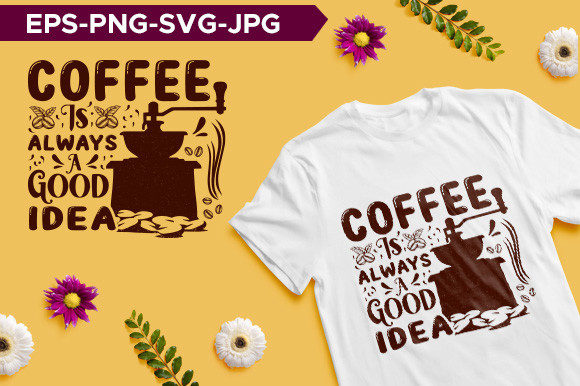
Coffee is Always a Good Idea Design Review
As someone who has spent years stitching, digitizing, and selling handmade goods, I know that the difference between a design that sells out and one that gathers dust often comes down to practical execution. When Coffee is Always a Good Idea Design landed on my desk, it wasn't just another graphic file; it was a potential hero piece for a busy morning routine or a cozy afternoon break. This review looks past the marketing fluff to evaluate how this typography-based embroidery design performs in real-world scenarios, from custom apparel to boutique merchandise.
The First Impression: Mood and Visual Personality
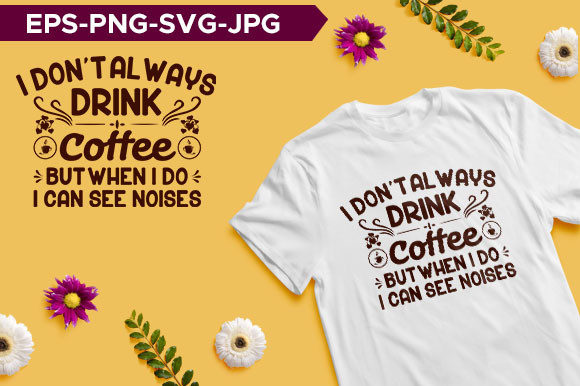
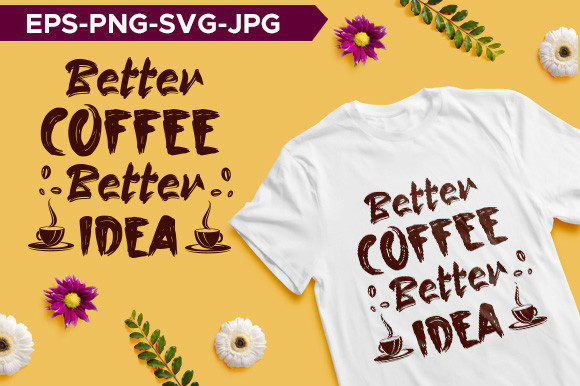
The moment you open the files for Coffee is Always a Good Idea Design, the vibe is immediately clear. It exudes a relaxed, welcoming energy that feels perfect for anyone who relies on caffeine to start their day. The typography is bold yet approachable, avoiding the stiff, corporate look of generic clip art. Instead, it feels like something a friend would say while handing you a steaming mug.
In terms of layout, the design strikes a balance between statement-making and subtle. It doesn't scream for attention so loudly that it overwhelms the garment, but it is distinct enough to be noticed immediately. For an embroiderer, the visual personality suggests versatility. It works equally well as a focal point on a large sweatshirt or as a charming accent on a smaller item like a baby onesie or a kitchen towel. The shape of the lettering allows for creative thread color choices, whether you want high-contrast black on white or a warm, earthy brown on cream.
Real-Life Application: From Tote Bag to Boutique Shelf
I recently tested Coffee is Always a Good Idea Design on a project that mirrors what many Etsy sellers and craft business owners face daily: creating a custom embroidered tote bag for a local coffee shop promotion. The goal was to create a product that felt personal yet professional enough to justify a higher price point.
The results were impressive. The design held its structure beautifully on heavy canvas fabric, which is crucial for tote bags that need to carry weight without distorting. The curves of the letters remained crisp, and the overall composition didn't bunch up around the edges. Customers who saw the finished product reacted positively to the humor and relatability of the phrase. It isn't just a shirt; it is a conversation starter.
Beyond tote bags, this design fits seamlessly into other categories. Imagine a holiday gift set featuring a matching apron and tea towel with this motif. Or consider a small batch of personalized gifts for a bridal party where the bride-to-be loves her morning brew. The design's simplicity makes it adaptable for various handmade products. Whether you are making an embroidered patch for a denim jacket or adding a touch of whimsy to a nursery decor item, the machine embroidery design delivers a polished finish that elevates the perceived value of the final item.
Performance on Different Fabrics and Garments
One of the most critical aspects of any embroidery file is how it behaves on different materials. Coffee is Always a Good Idea Design shines on stable fabrics like cotton twill, denim, and thick fleece used for sweatshirts. The density of the stitches appears sufficient to provide coverage without causing puckering, provided you use the correct stabilizer.
However, there are specific scenarios where caution is required. If you plan to use this for baby embroidery on soft, stretchy jersey knits, you must be extra vigilant. Stretchy fabrics can distort tight stitch patterns if not properly stabilized with cut-away backing. Similarly, when working on textured fabrics like boucle or heavy waffle weaves, the definition of the letters might soften slightly. In these cases, testing on scrap fabric first is non-negotiable.
For curved surfaces like caps or hats, the design's curvature needs to align with the hat's dome. While the typography is generally flexible, very small hoop sizes on fitted caps might make the text feel cramped. Always check your hoop size constraints before committing to a production run. Dark fabrics present another variable; ensure your thread colors offer enough contrast to maintain legibility. A light thread on a dark background can sometimes get lost if the stitch density isn't high enough.
Where to Use Caution
- Small Hoop Sizes: Avoid using this design on tiny items where the text might become illegible due to reduced space.
- Thin or Sheer Fabrics: Without adequate stabilization, the tension of the stitches could tear delicate materials.
- Dense Stitch Areas: If the design includes heavy fill stitches, ensure the fabric can support the weight to prevent pulling.
- Frequent Washing: For items like aprons or kitchen towels that undergo constant laundering, verify that the thread choice is durable and colorfast.
Impact on Brand Consistency and Customer Trust
For Etsy sellers and small shop product creators, the quality of the embroidery directly translates to customer trust. A sloppy stitch job can ruin an otherwise great idea, but a clean, precise execution builds brand loyalty. Coffee is Always a Good Idea Design supports this by offering a clean aesthetic that looks professional even on modest equipment.
When customers receive a personalized gift or a custom apparel item that features sharp, well-defined lettering, they perceive the maker as skilled and attentive. This perception increases the likelihood of repeat business and positive reviews. Furthermore, the design's universal appeal means it resonates with a wide audience, from coffee enthusiasts to general hobbyists, making it a safe bet for commercial embroidery projects aimed at mass markets.
The inclusion of mockup files in the download package is a significant plus. These printable mockups allow you to visualize the design on different garments before you ever load the machine. This step saves time and material, ensuring that your design assets are ready for presentation in your online store or social media channels.
Practical Notes for the Embroidery Designer
Before you start stitching, keep these practical tips in mind to ensure the best outcome with Coffee is Always a Good Idea Design:
- Test on Scrap Fabric: Always run a test stitch on a piece of the same fabric and stabilizer combination you plan to use for the final project.
- Check Thread Colors: Compare your chosen thread colors against the fabric background to ensure readability. High contrast is key for typography.
- Review Stitch Density: Inspect the digitization for areas that might be too dense, which can cause fabric distortion, or too sparse, which can look unfinished.
- Confirm Licensing: Verify the licensing terms provided with the files to ensure you have the right to sell finished items made with this design, especially if you are running a craft business.
- Use Proper Stabilizer: Select the appropriate stabilizer (cut-away, tear-away, or wash-away) based on the fabric type to maintain the integrity of the design.
- Inspect Small Details: Zoom in on the digital preview to check for any tiny details that might not translate well during the physical stitching process.
Ultimately, Coffee is Always a Good Idea Design is a versatile and reliable addition to any designer's toolkit. It balances charm with professionalism, making it suitable for everything from a quick hobby project to a full-scale commercial line. By paying attention to fabric selection, stabilization, and thread choices, you can transform this digital file into a stunning finished product that your customers will love.